
Here is what I can reconstruct of Budapest, several beers, one determinedly orange tea, one rebellious Irish coffee and at least two Jägerbombs later.
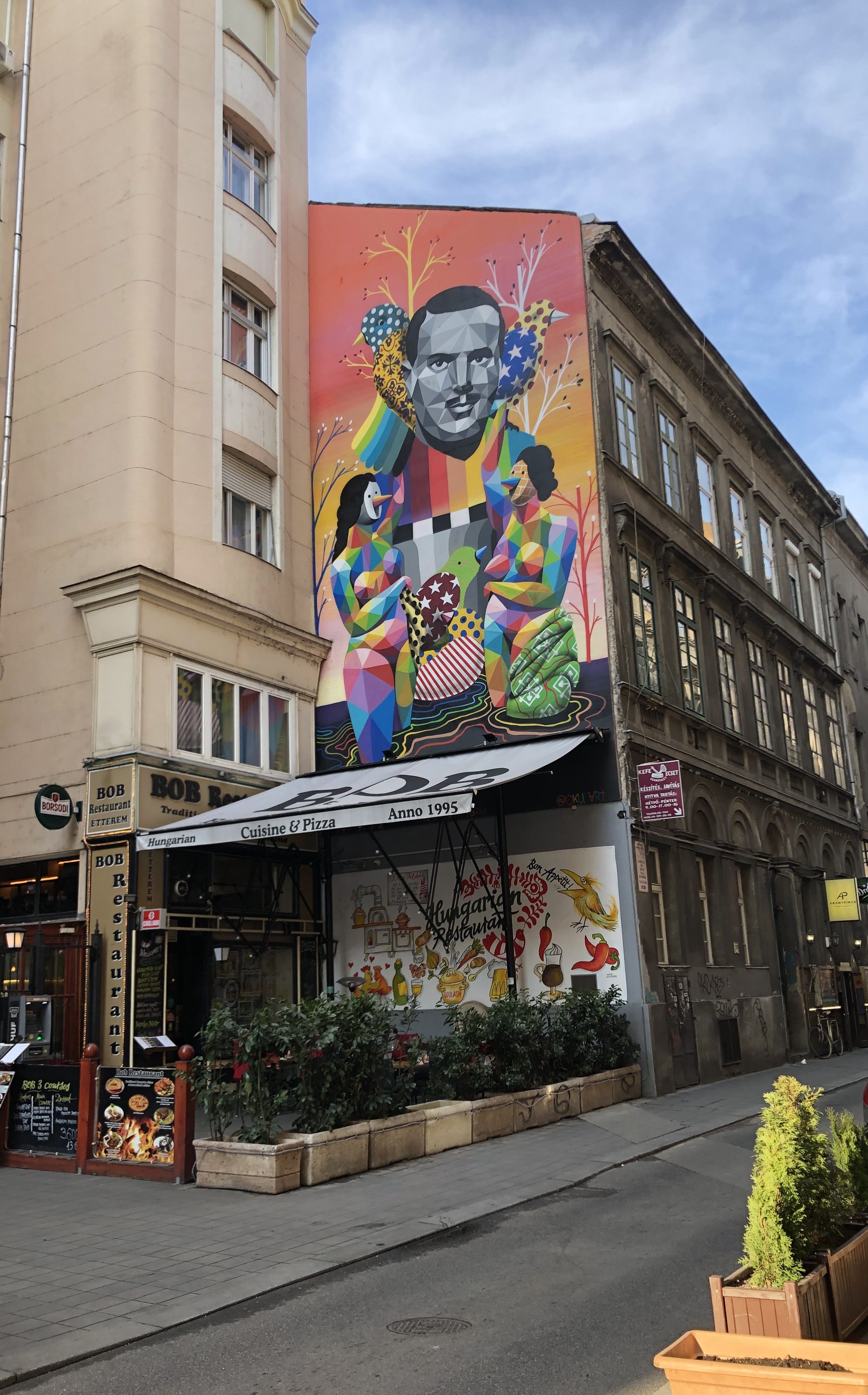
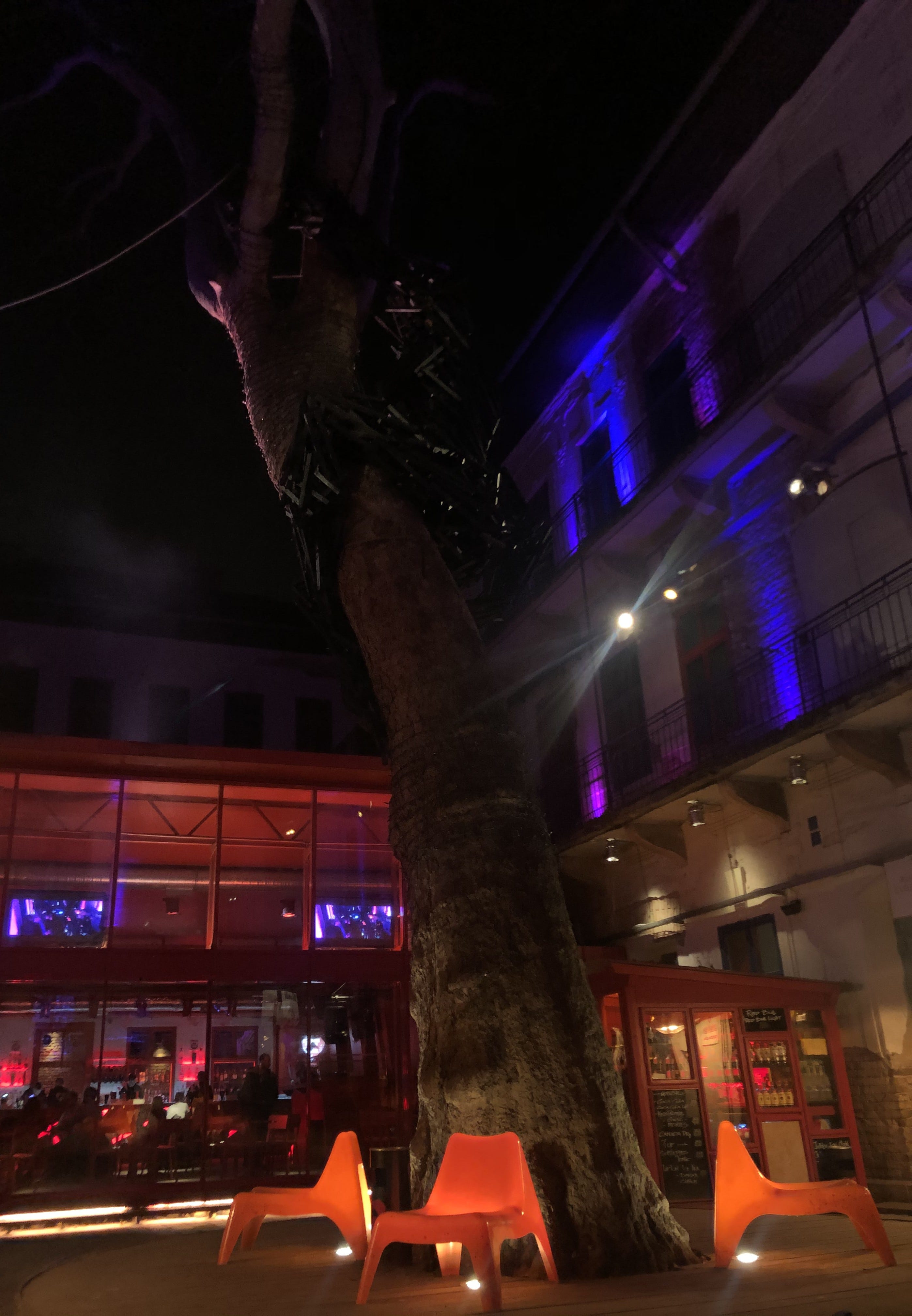
It started with a pub crawl through Szimpla Kert, Instant and Fogasház, Budapest’s famous ruin bars, a far more romantic name than “abandoned building someone forgot to renovate and then decided not to.” Szimpla started the whole trend by accident in 2001, mismatched furniture in a half derelict courtyard, and within a few years the entire Jewish Quarter had followed suit.
Somewhere between bar two and bar three, my friend introduced me to the Jägerbomb, Jägermeister dropped straight into Red Bull, named with a bluntness I respect, no poetry attempted. We also picked up several new best friends of assorted nationalities, all toasted with total sincerity, never to be seen again. That, I have decided, is the actual point of a pub crawl. The bars are just the venue.
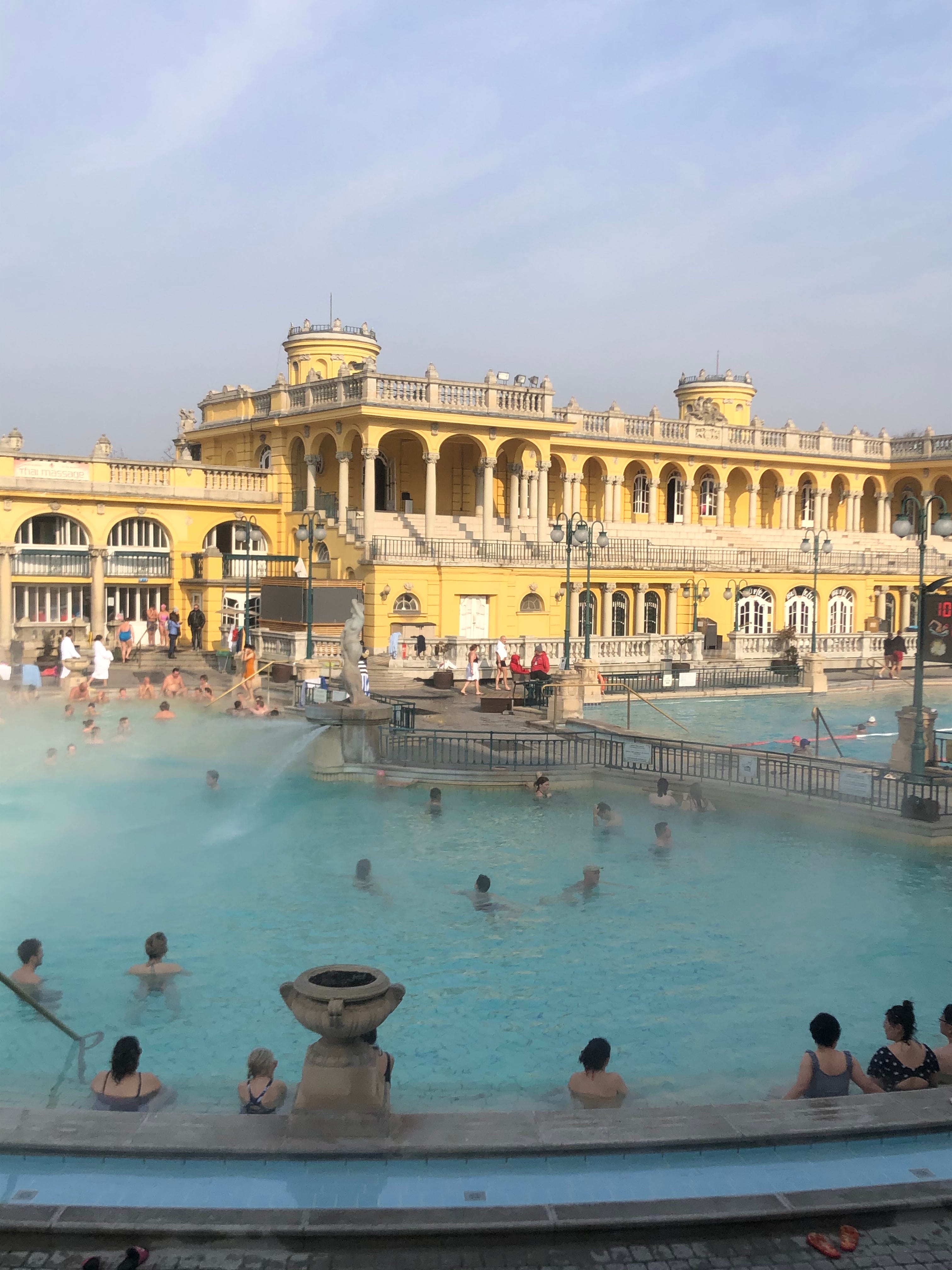
We started the next morning, heroically, at the Széchenyi thermal baths, a vast mustard yellow palace that has been quietly boiling visitors since 1913, discovered when an engineer drilled for drinking water and hit scalding mineral water instead. Proper locker rooms, endless outdoor pools, and enough steam rising off the water to make last night’s Jägermeister diplomacy look, from a distance, like deep relaxation. Genuinely one of the best things we did all trip.
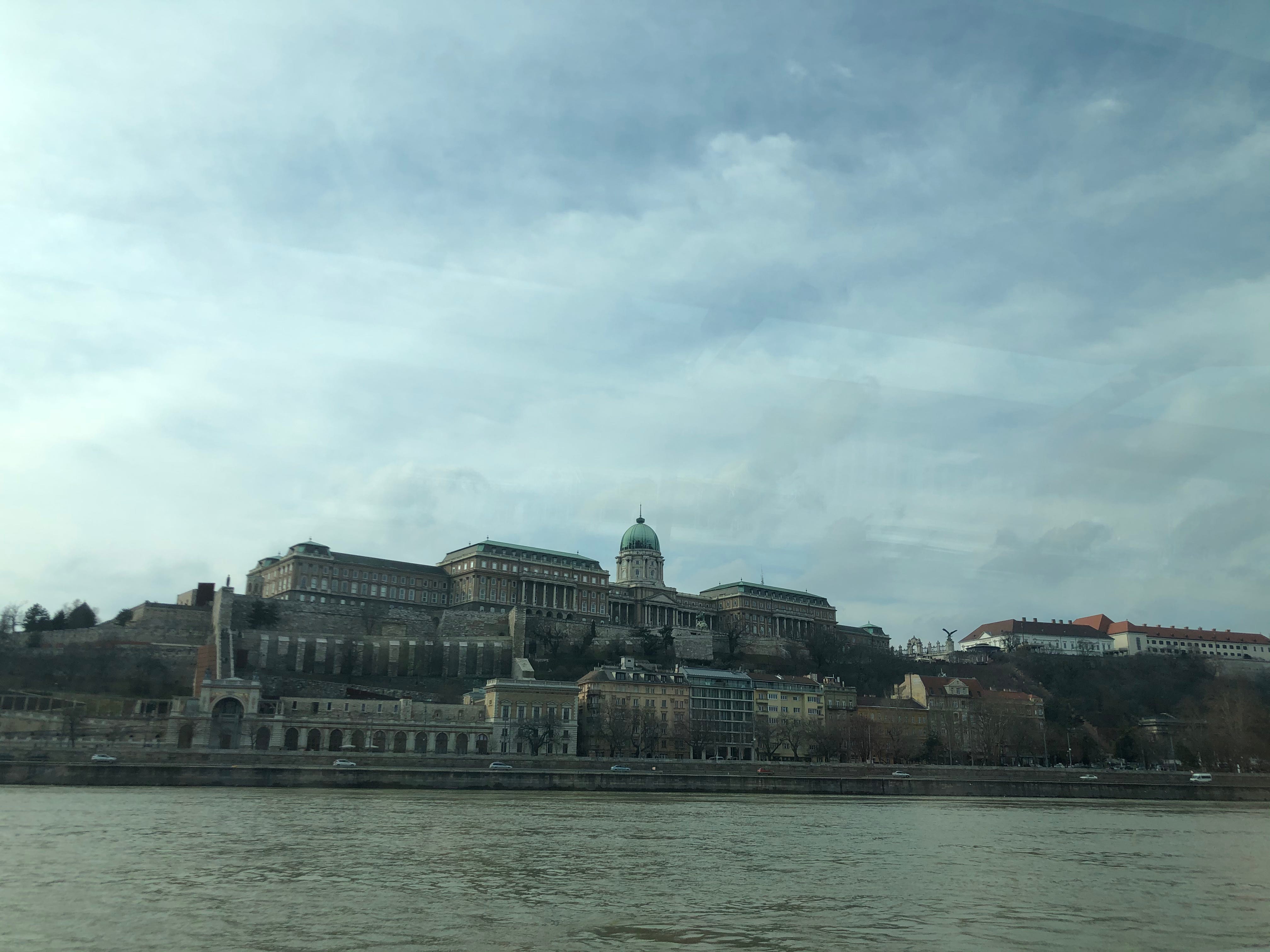
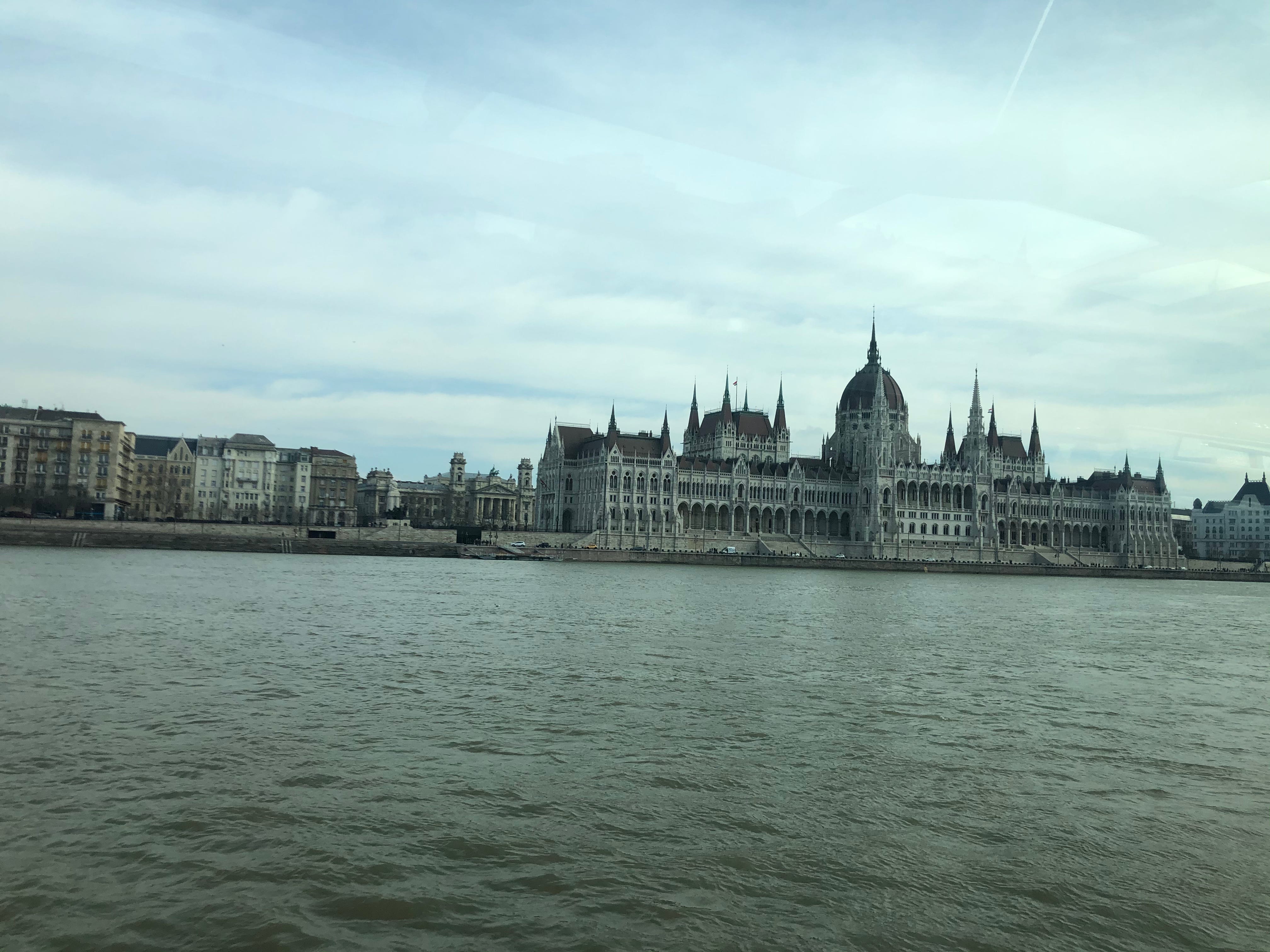
Then a cruise down the Danube, orange tea in hand, past Buda Castle on its hill and the Parliament building doing its best impression of a building that knows exactly how good it looks. It is the third largest parliament on earth, built to a height of ninety six metres on purpose, a nod to Hungary’s founding in 896 and its 1896 millennium celebrations, apparently even the architecture here needed to make an anniversary card of itself.
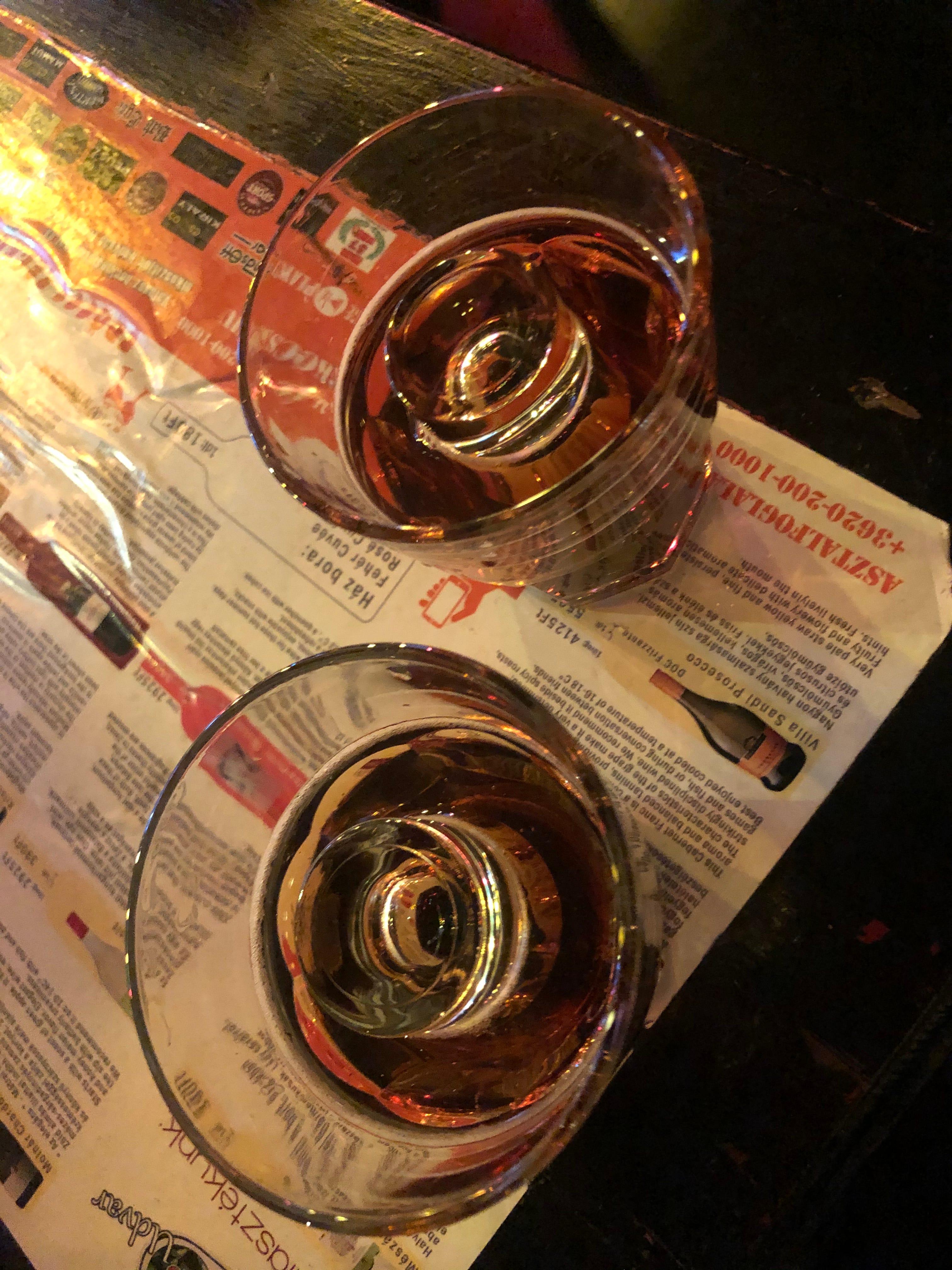
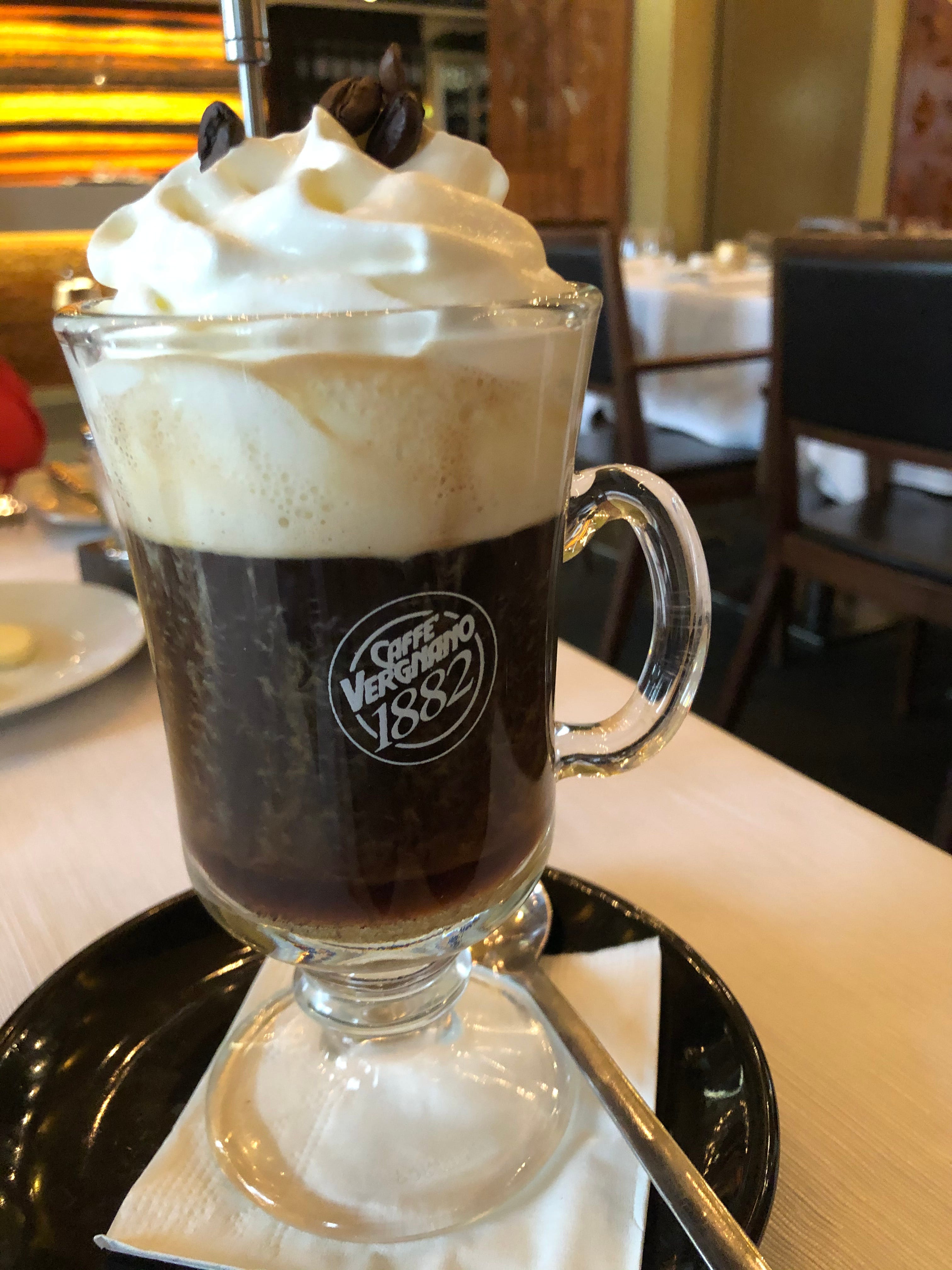
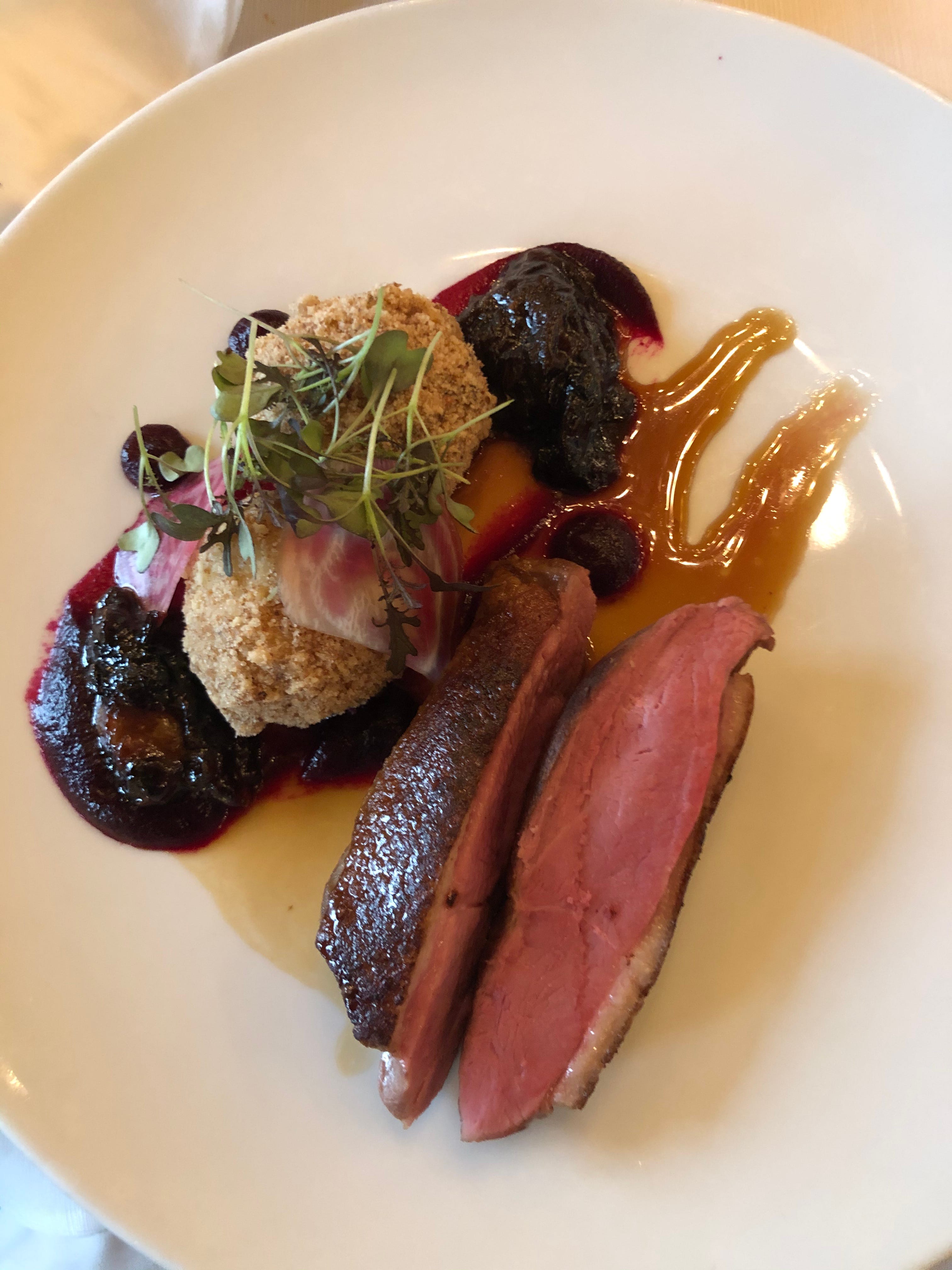
Lunch was at Aszú Étterem, named for Tokaji Aszú, the golden wine Louis the Fourteenth reportedly called the wine of kings, the king of wines, while Queen Victoria had twelve bottles delivered a year, one a month, devotion or dependency, history is unclear. I had duck breast cooked a perfect rose pink, and, against all protocol, an Irish coffee instead of the wine. No regrets.
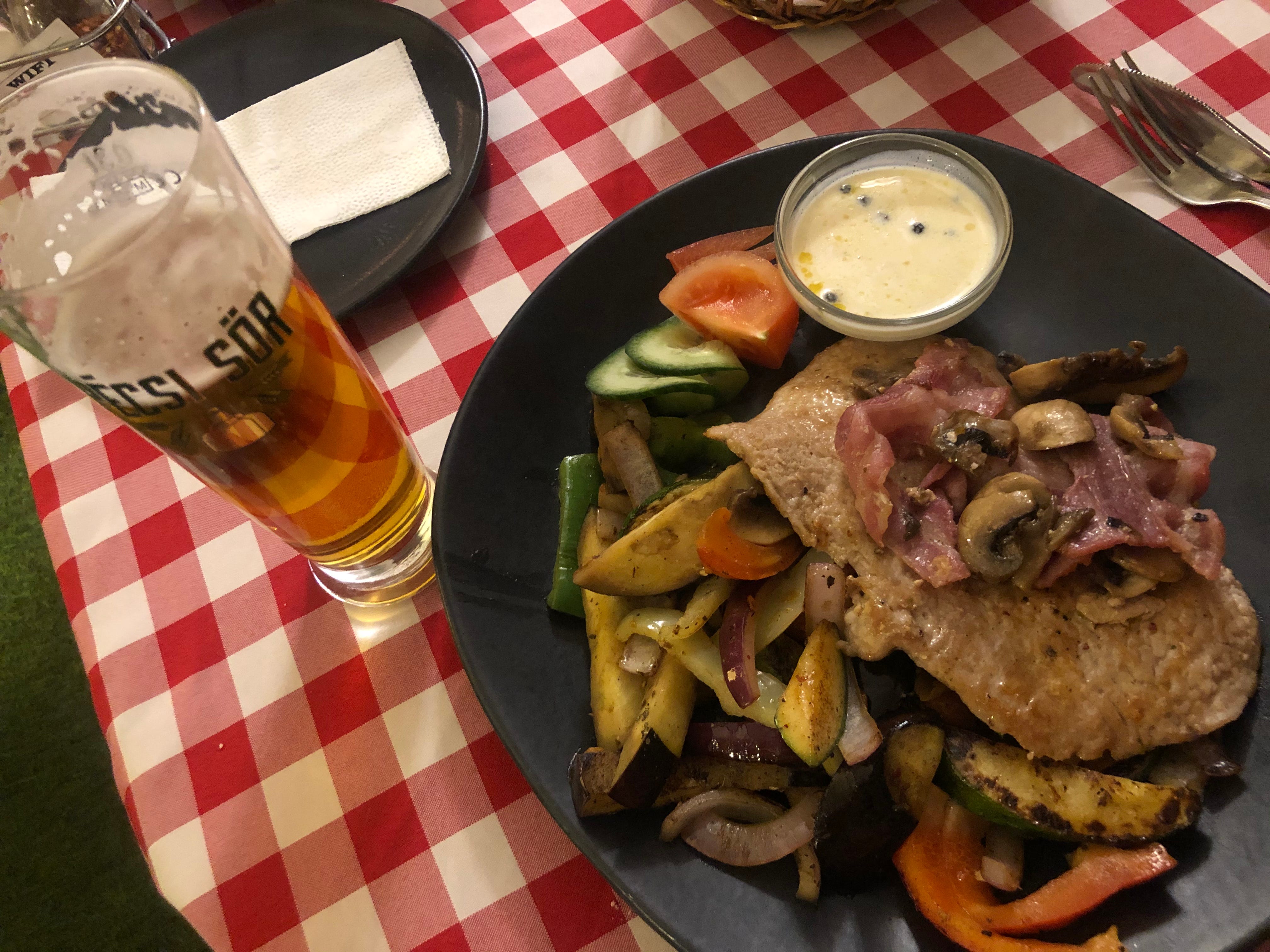
Dinner was proudly, unapologetically Hungarian at Paprika Vendéglő, pork medallions under bacon and mushrooms, the plate perfumed with the spice on the sign outside. Paprika came from the Americas long before it came to Hungary, arriving by way of Ottoman trade routes and quietly taking over the national cuisine so completely that everyone now assumes Hungary invented the pepper. It did not. It simply committed harder than anyone else.
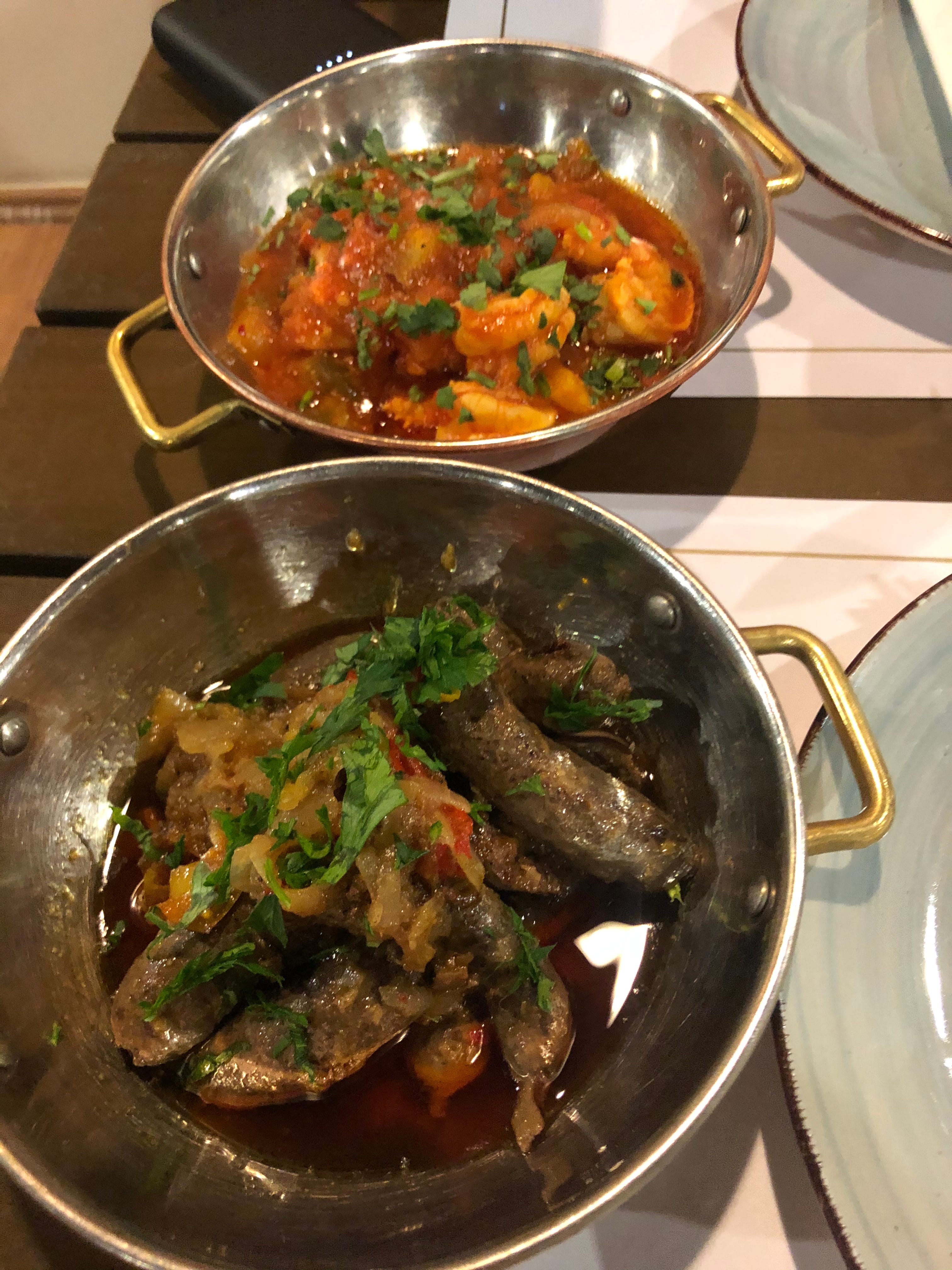
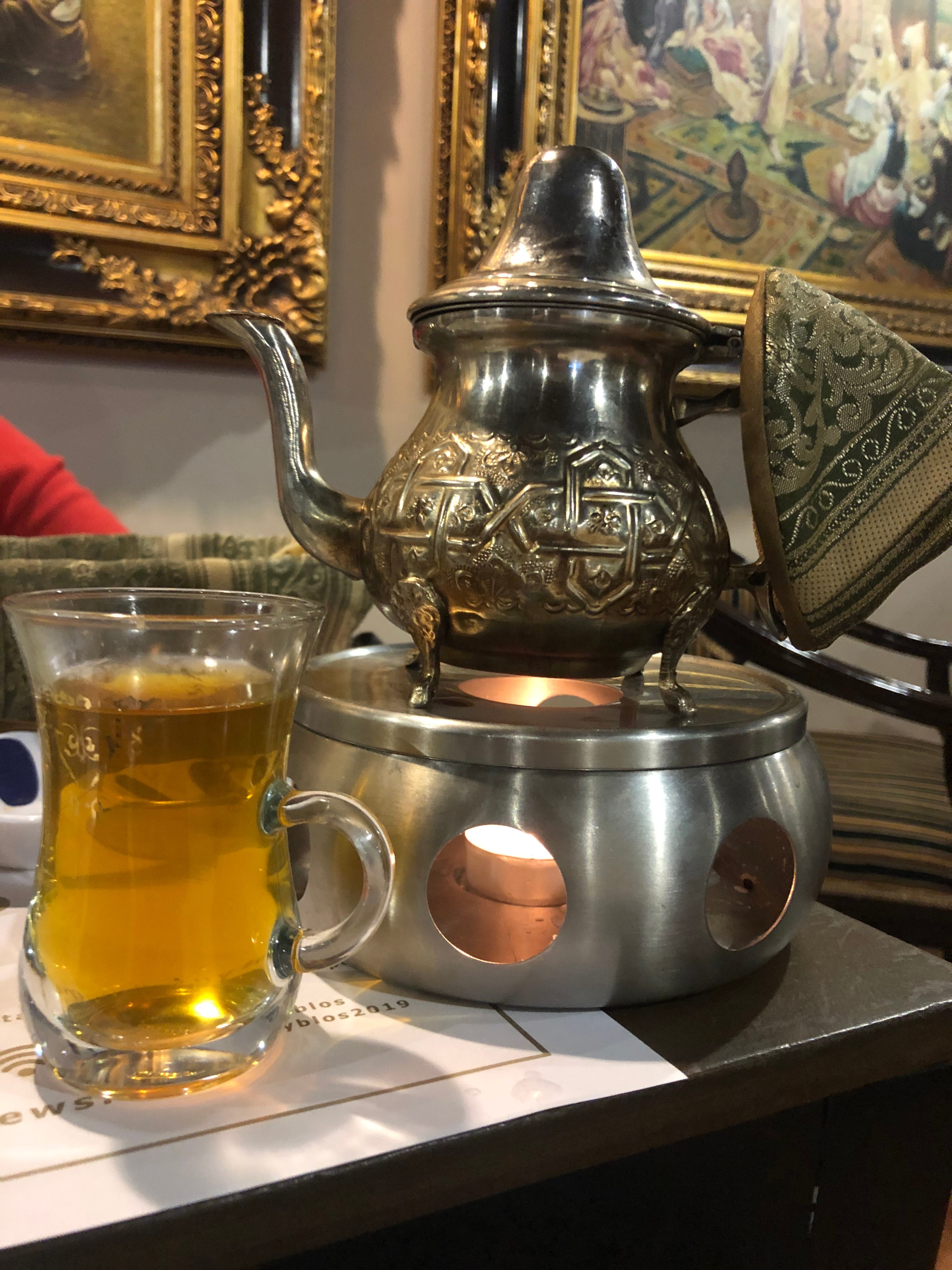
We closed the trip at Byblos, a proper Lebanese and Levantine restaurant tucked into the middle of Budapest of all places. Shrimp, spiced sausage, a pot of Moroccan tea poured from a great height, and, only two countries into the trip, a small unexpected pang of homesickness for Dubai.
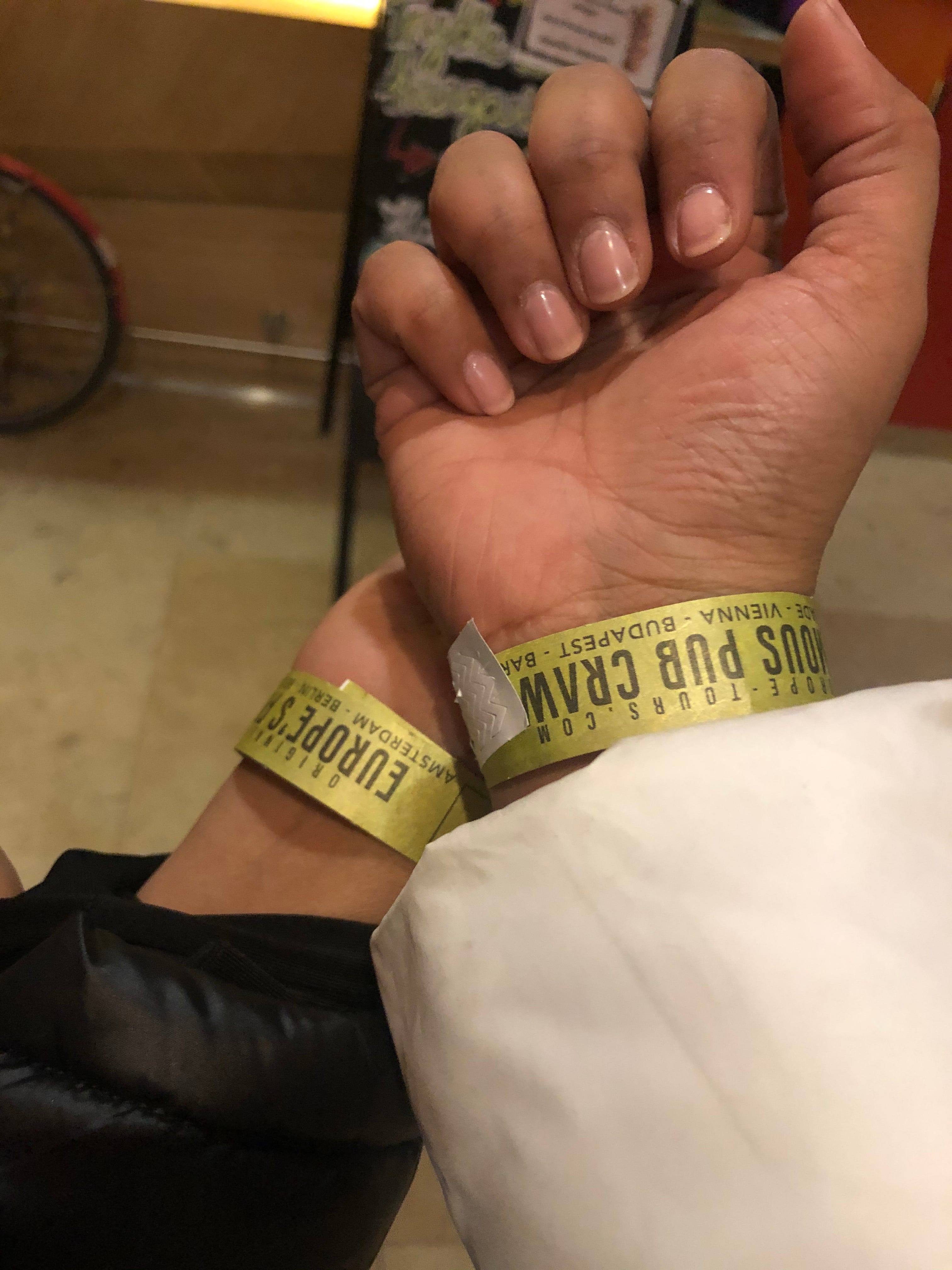
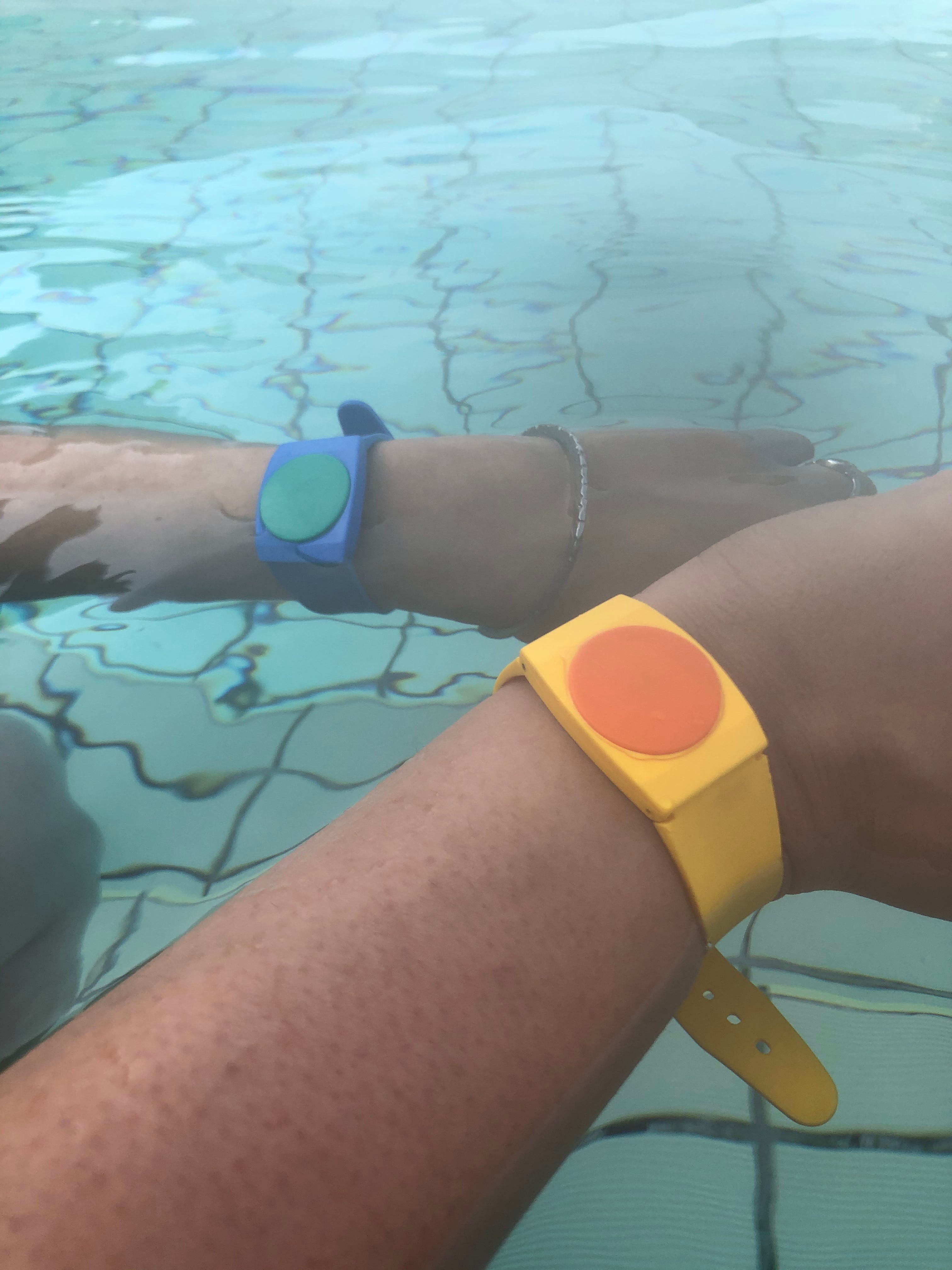
One of the pub crawl wristbands, I noticed the next morning, already had our next stop printed on it. Vienna was next, and after two cities that had shown us their wilder side, I assumed it would be the sensible one of the trip, all waltzes and good posture. It was, mostly. But even the best behaved city on the itinerary had a surprise or two tucked into its coffee houses, and that is a story for the next letter.
Your resident castle and cardamom enthusiast,
Arpita