
London did not wait for a hotel key before making its case. Landed early into Bloomsbury, room predictably not ready, so the British Museum got me before check in did. If my travel calendar looks a little rearranged by the end of this letter, this is where that started.
It cannot be done in one visit, and it definitely cannot be done at a march, which suited me fine because I am constitutionally a pause at everything person, not a tick the box one. The British Museum rewards that affliction generously, mostly by refusing to charge for it. Free since 1759, built on Sir Hans Sloane’s eighty thousand odd objects and an Act of Parliament that decided, quite grandly, that this should be the world’s first free national public museum. A quietly radical thing for any museum to still believe in.
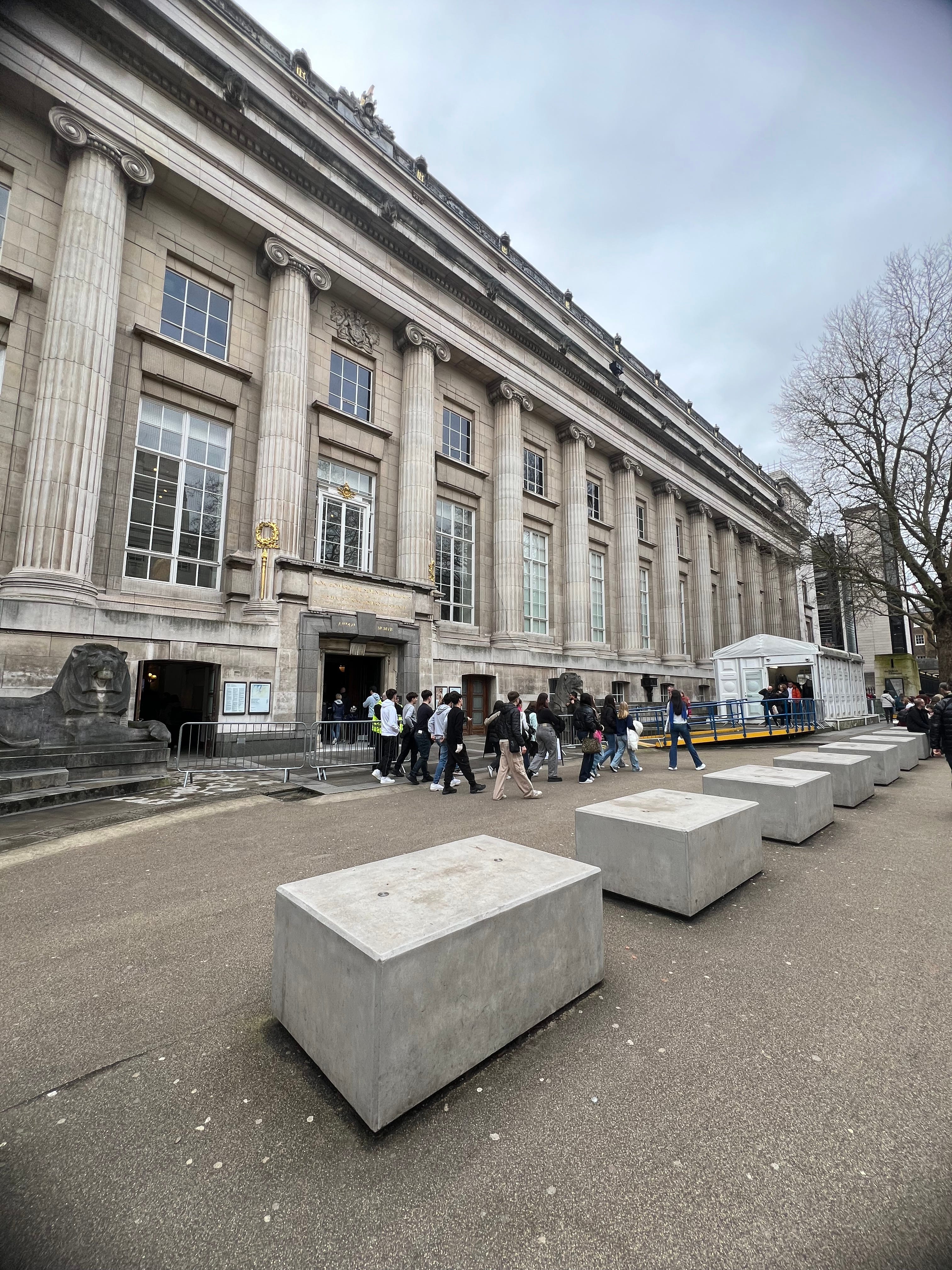
London’s welcome, as it turns out, was not a shopping spree or a fancy lunch, it was the Living and Dying gallery, and a startlingly direct question about why we spend so much energy mourning people we barely made time for while they were around. The centrepiece, Cradle to Grave, is two long fabric strips holding over fourteen thousand real pills, the number one person in Britain is expected to get through in a lifetime. Somewhere between that number and the Moche funerary pottery next to it, I had managed a full blown existential crisis before I had even had my coffee, entirely uninvited, extremely effective.
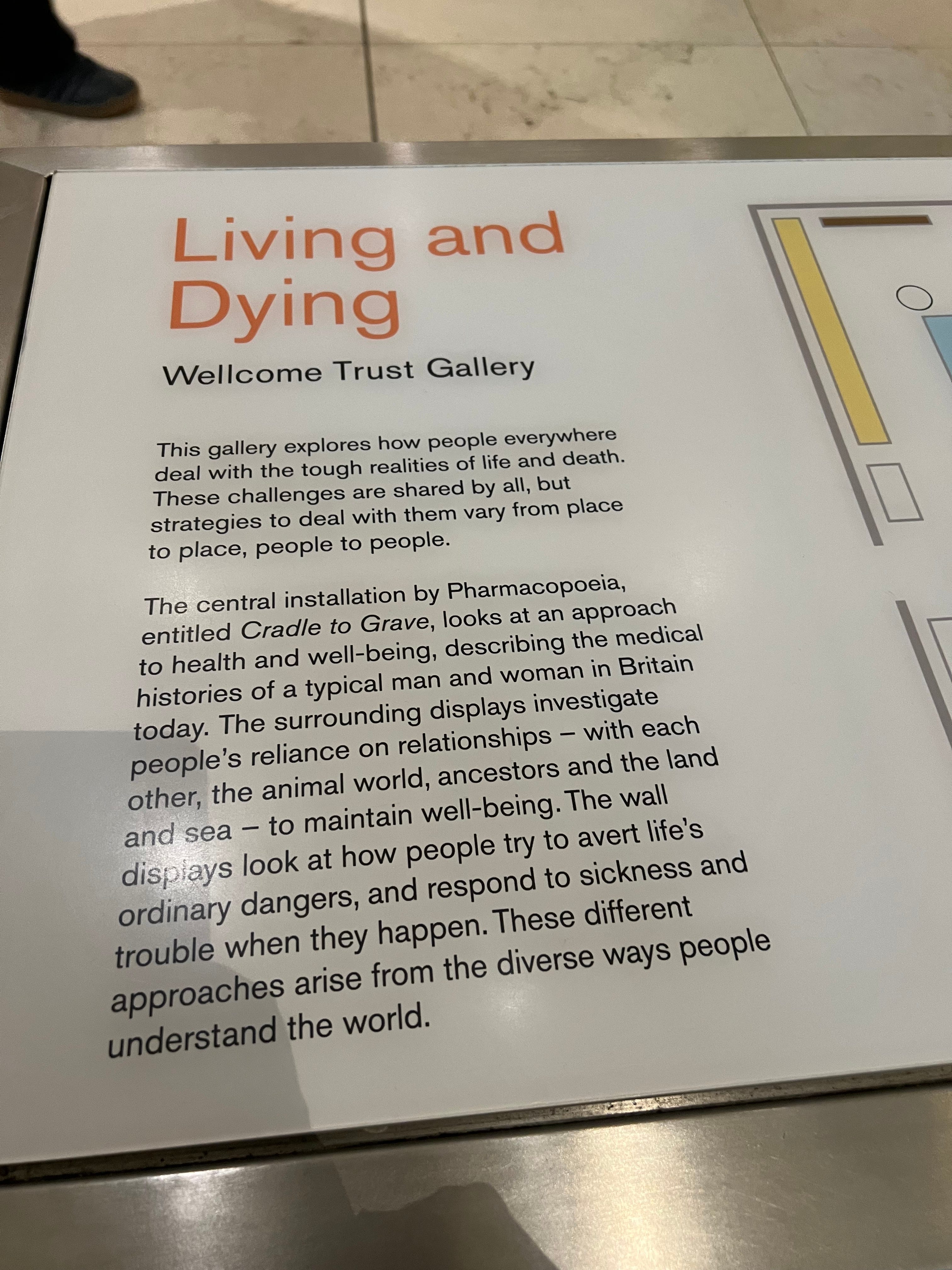
Naturally, the only sensible response to an existential crisis is a gift shop. Museum stores are where all my financial discipline quietly leaves the room, postcards, a tote I did not need, cutesy stationery I will never use, the full unrepentant set. Then a coffee and a carrot cake roughly the size of a paving slab, because apparently confronting mortality burns serious calories.
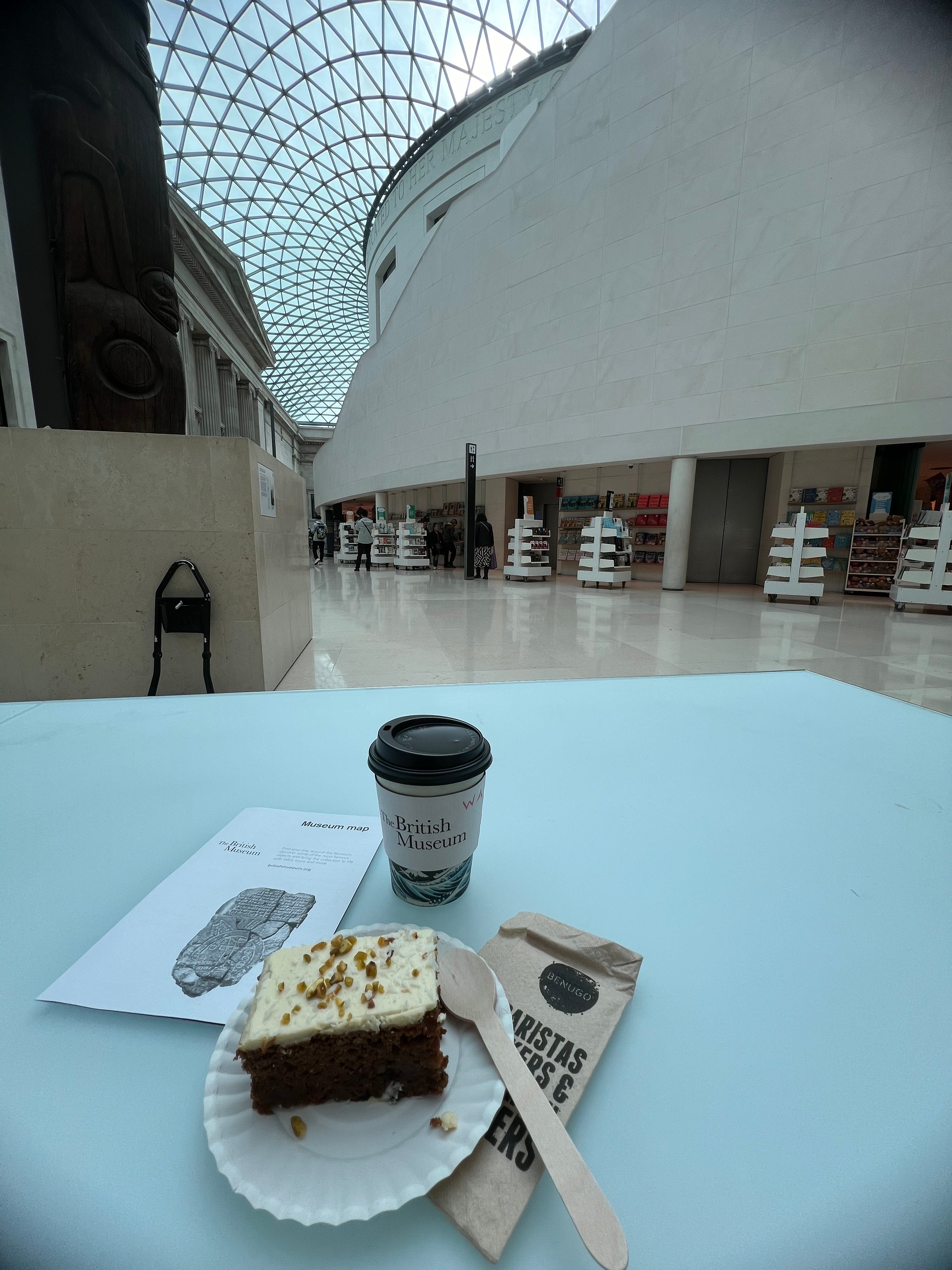
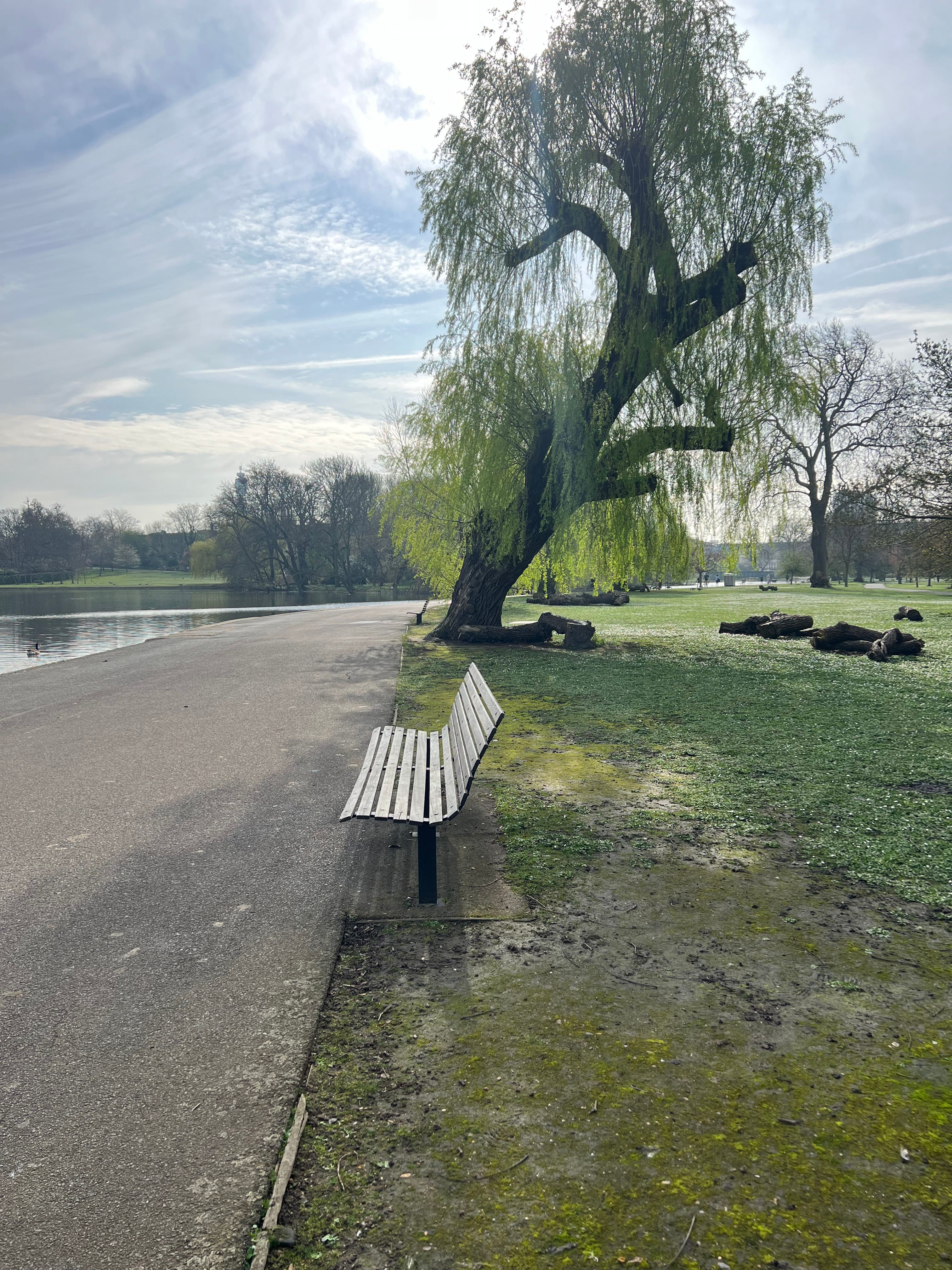
Mornings here always start the same way, a stroll through a park, a new one every visit, no exceptions. This time it was Regent’s Park’s turn, built on what used to be Henry the Eighth’s hunting ground until the Prince Regent asked John Nash to turn it into something a little less murder adjacent. A coffee from a cup that said Benugo, a lake where the ducks behaved like they held the deed to the place, a weeping willow doing its best impression of a Victorian mourning poem because even the trees here have read the room, and a bench that has clearly seen more of London’s small quiet mornings than I ever will.
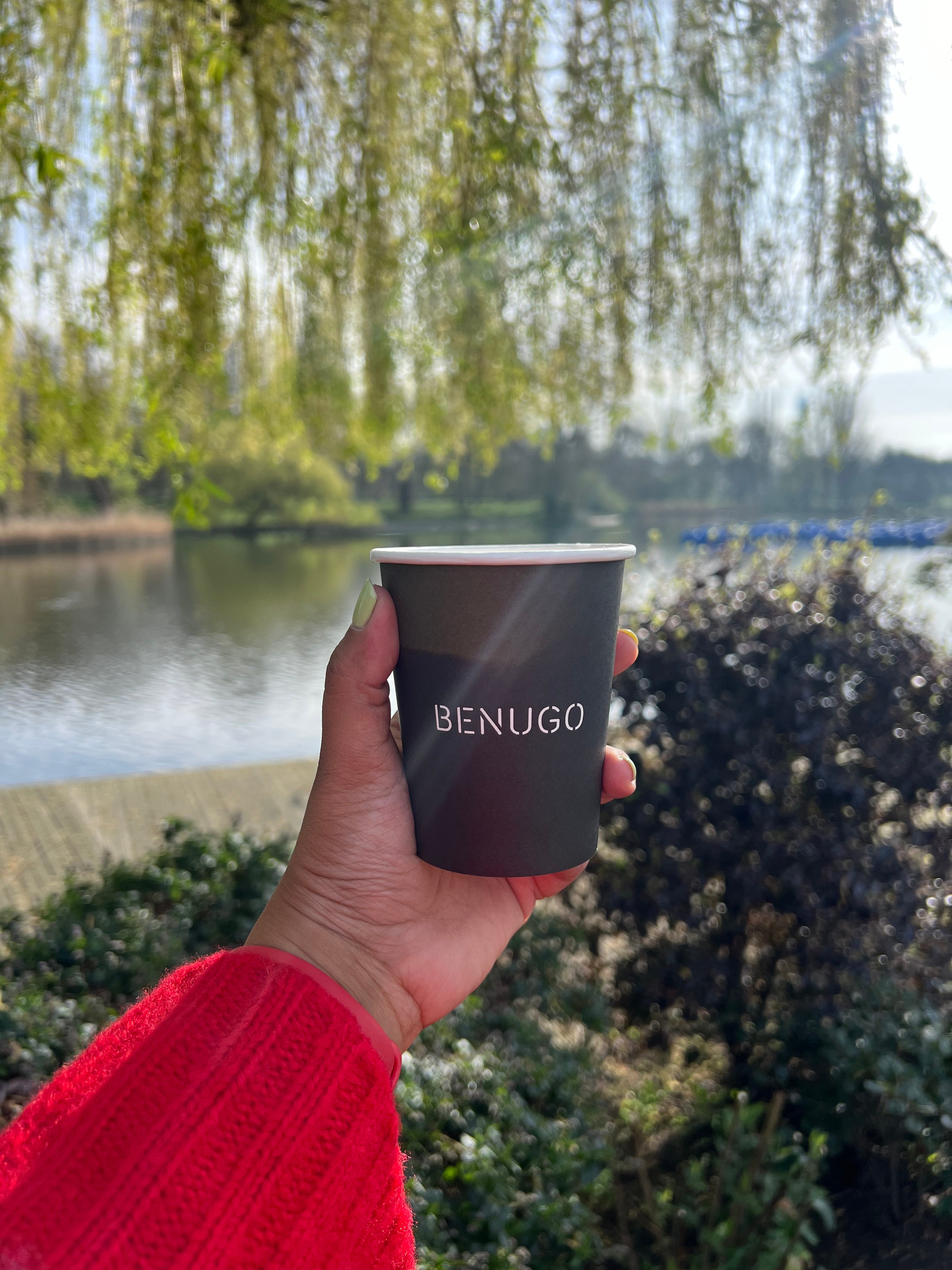
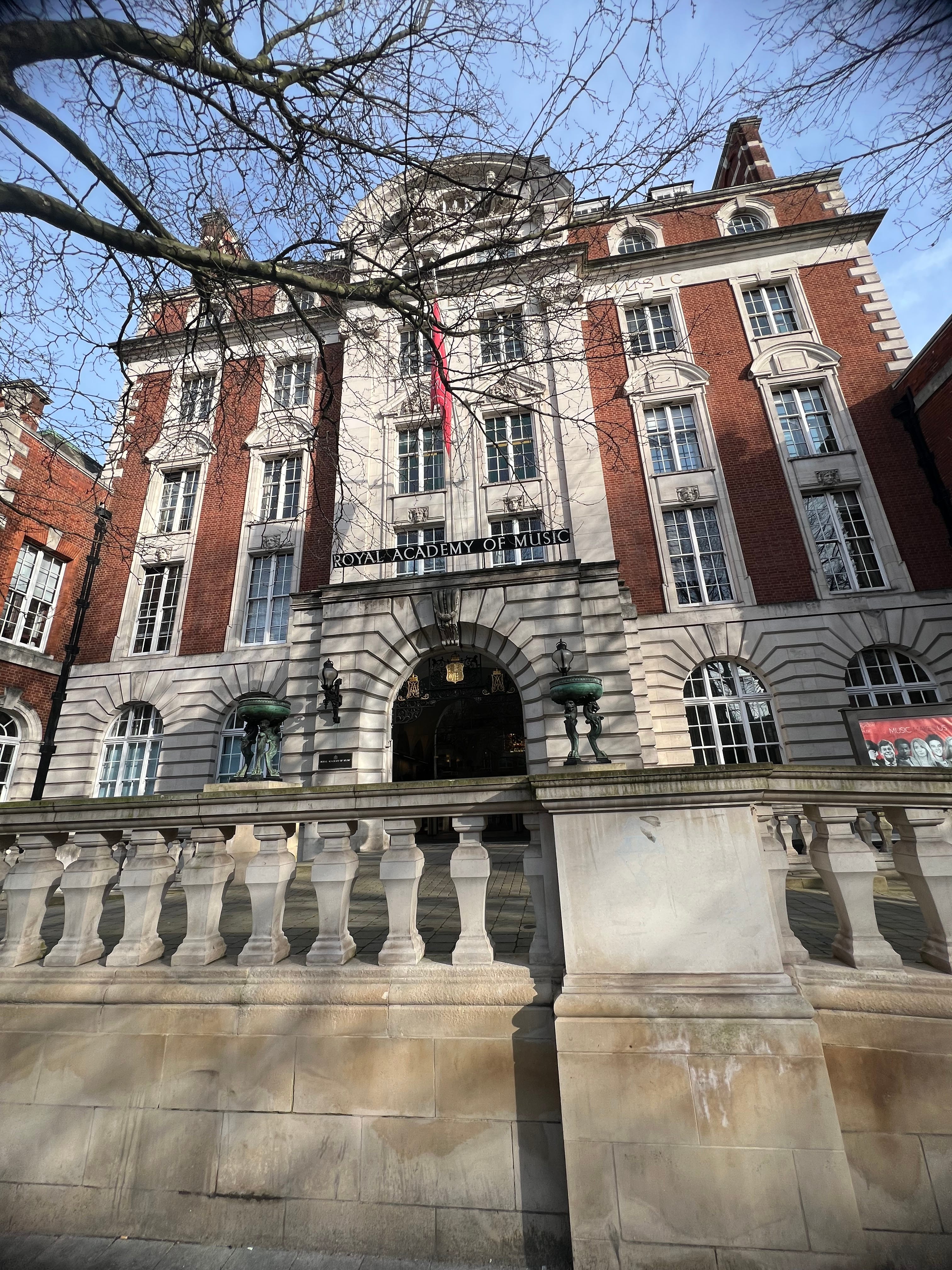
Walking anywhere in this city is basically a free architecture lecture nobody signed up for and everybody enjoys anyway. The Royal Academy of Music has been turning out musicians since 1822, making it the country’s first conservatoire, and it has the confident posture of a building that knows exactly how good it looks in a photo.
Windsor came next, by train, for the actual castle, and the timing could not have been better plotted if I had tried it on purpose. I arrived just as the Changing of the Guard was under way, one regiment of the Household Division formally handing the castle to another in red tunics and bearskins, a ceremony that has apparently been repeating itself long before anyone thought to sell tickets to it.
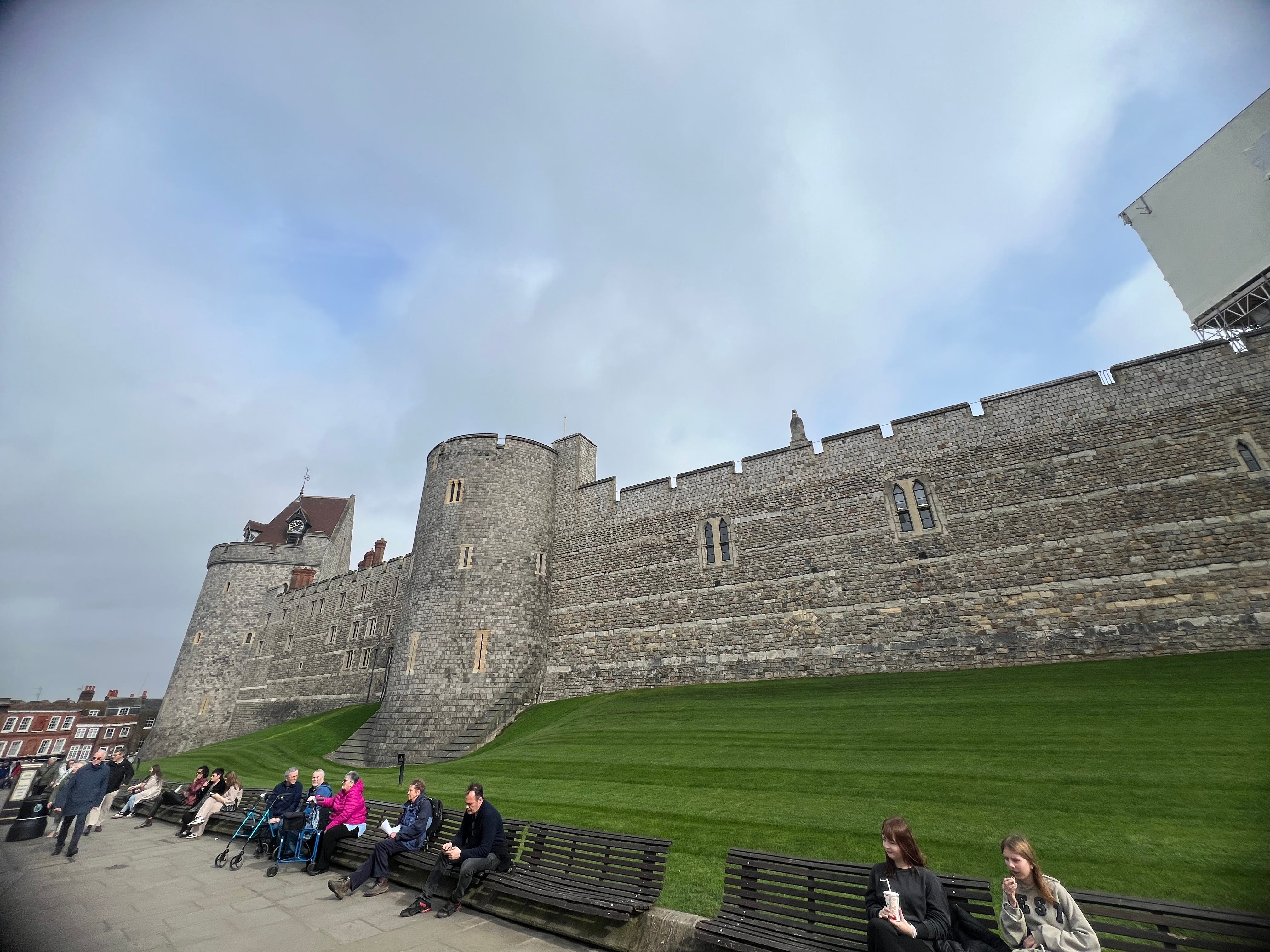
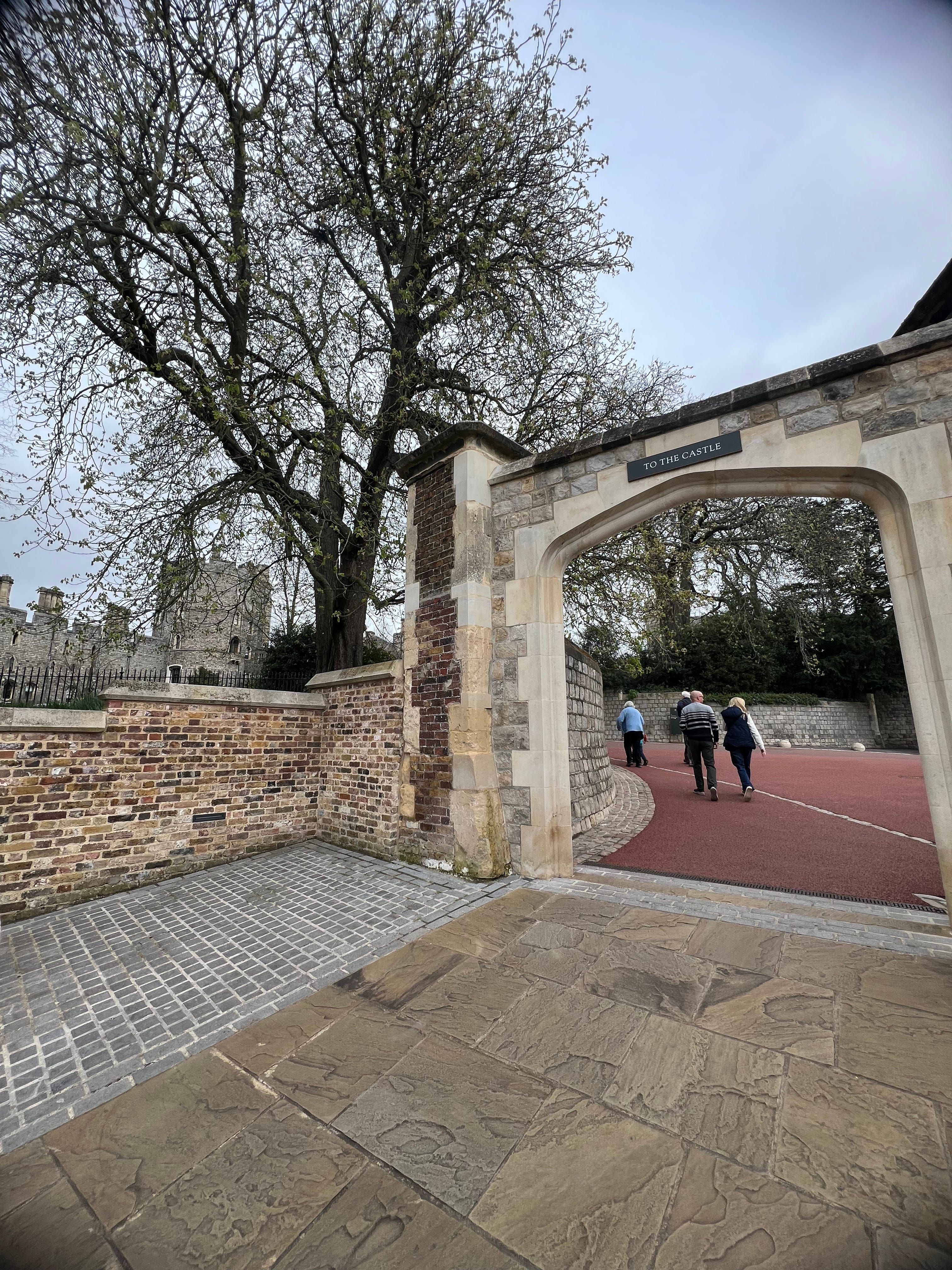
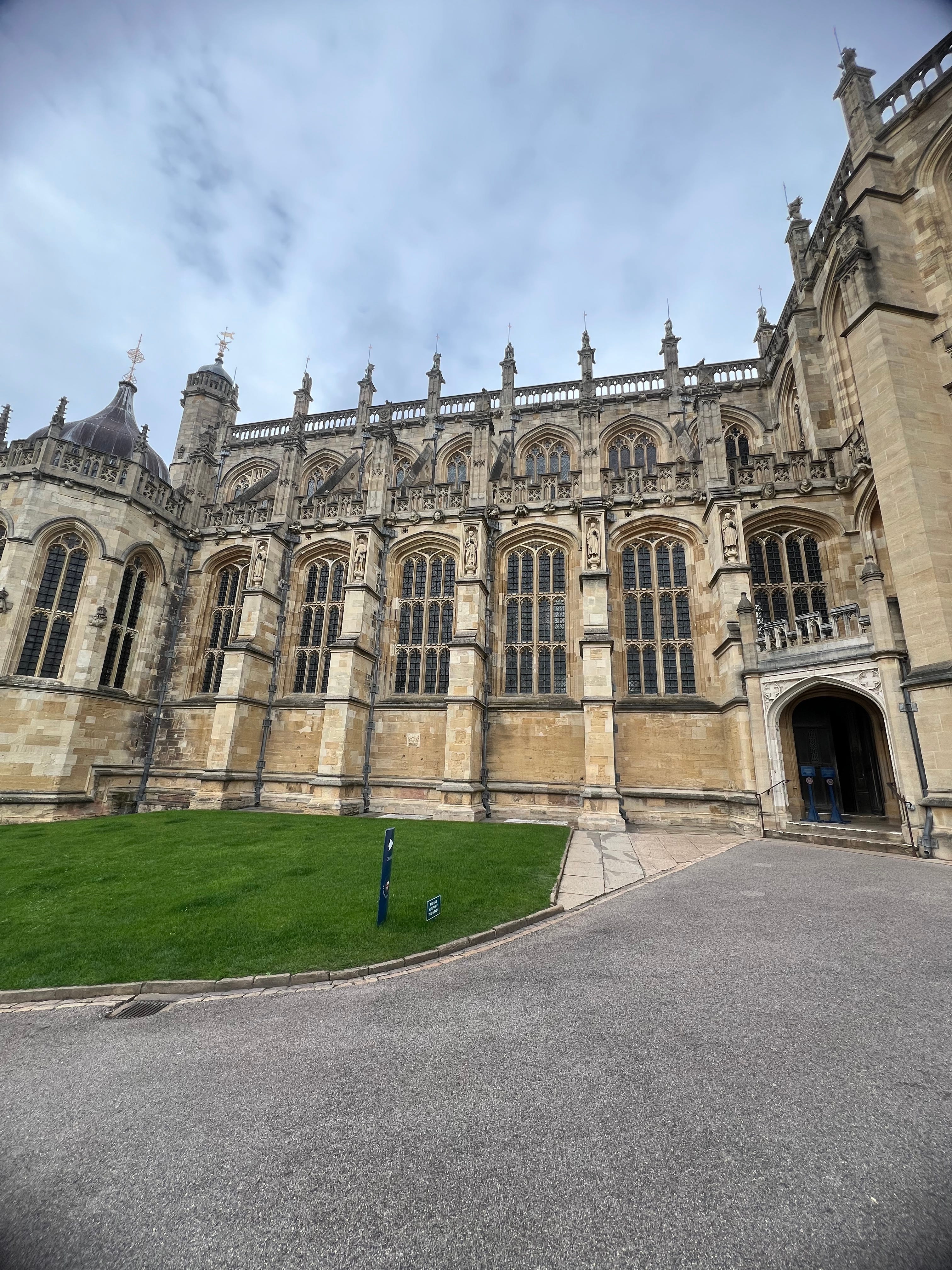
Windsor is not a preserved relic playing dress up either, it has been an actual working royal residence for nearly a thousand years, ever since William the Conqueror picked the spot in the 1070s, which makes it the largest still occupied castle in the world. St George’s Chapel, tucked inside the walls, is not just a pretty stop for a photograph, it is where Prince Harry married Meghan Markle in 2018, and where a fair few monarchs are permanently checked in.
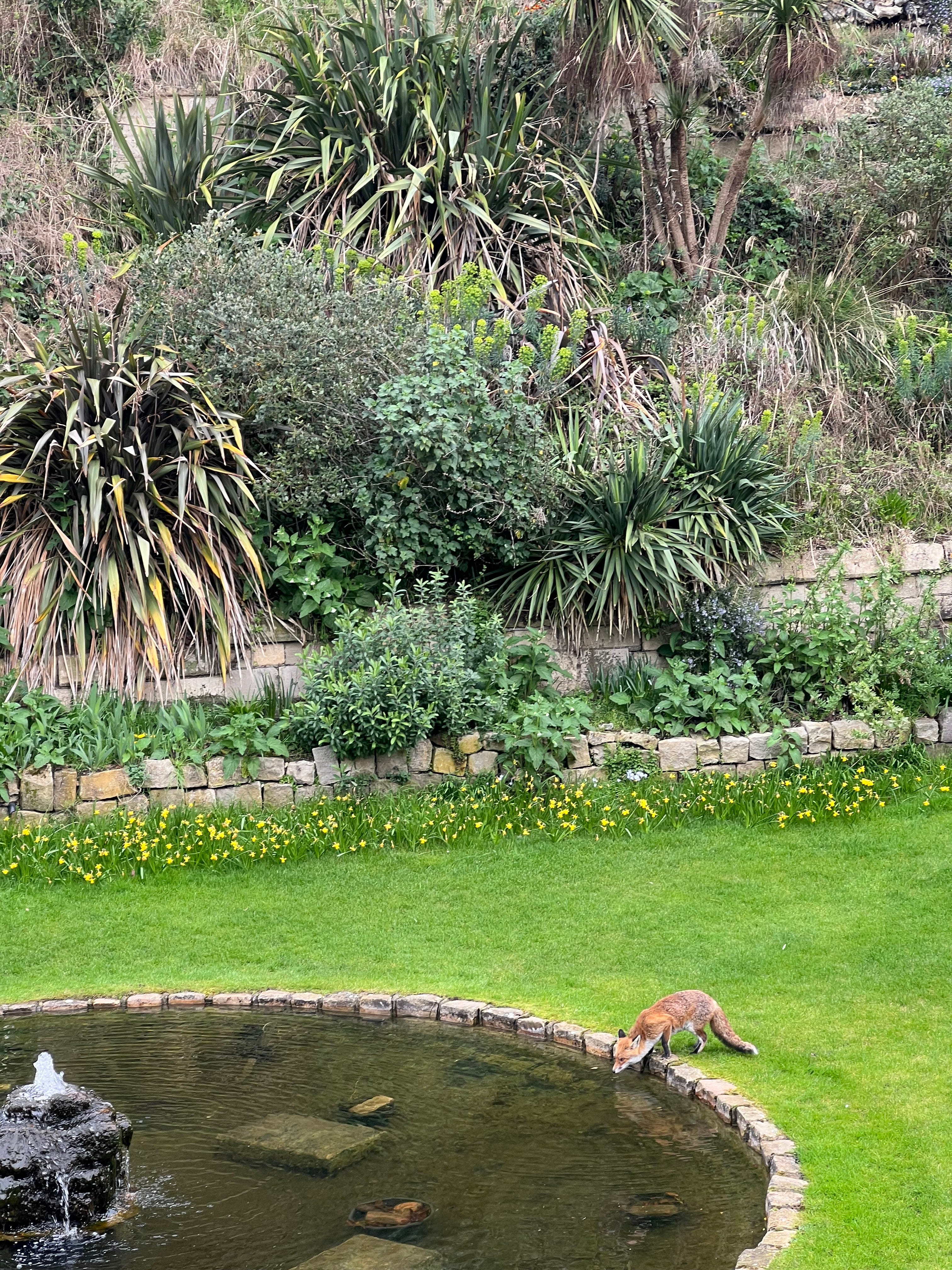
Cobbled streets, daffodils everywhere, and then, from absolutely nowhere, a real fox, calmly drinking from a fountain on the castle grounds, the only visitor that day who did not need a single security check.
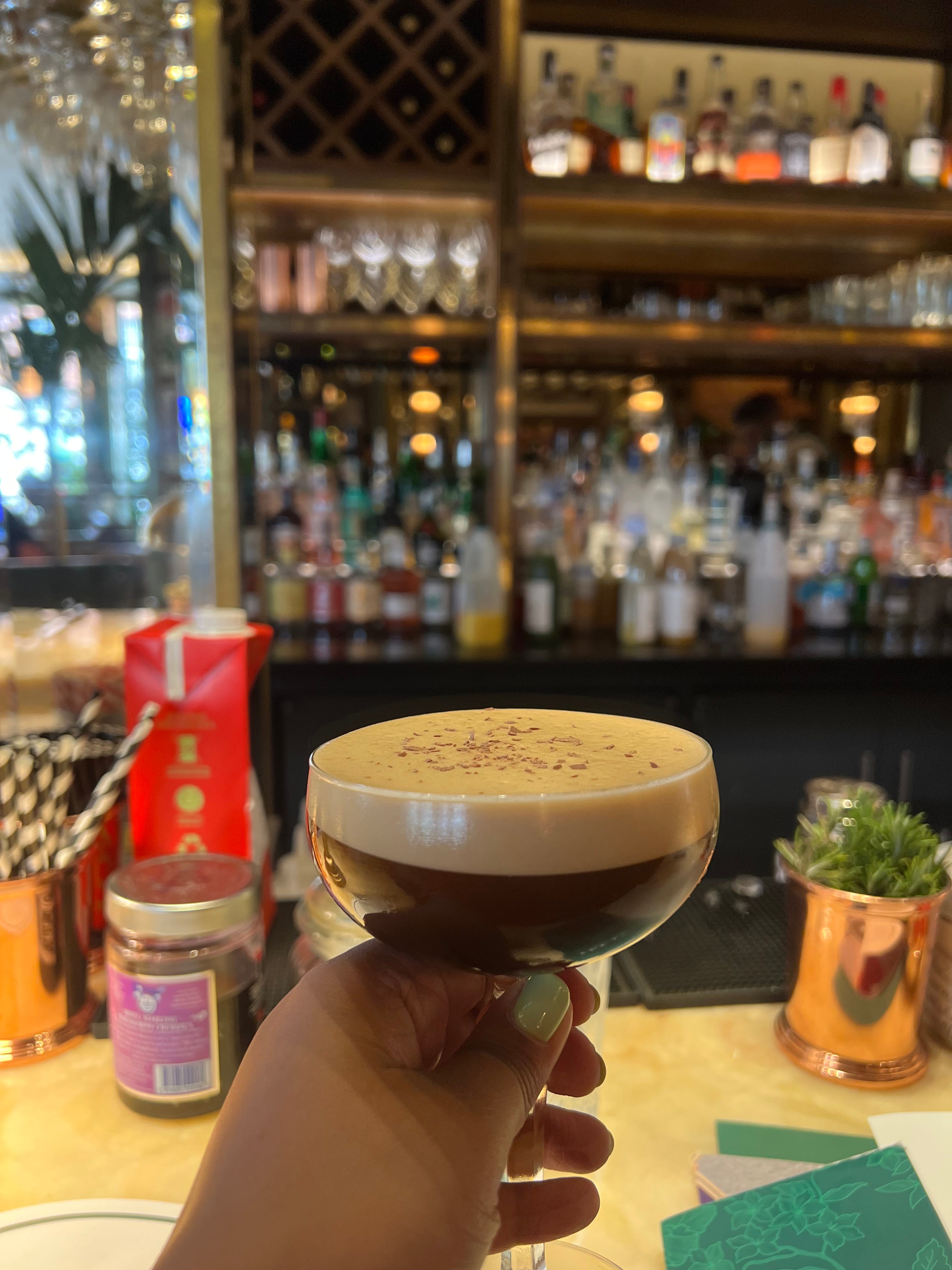
Most of the halls and rooms did not allow photography, and for once I was glad of a rule instead of annoyed by one, some places are simply better kept as memory than as camera roll. I could have happily lost the rest of the day in there, but London had a dinner waiting for me, so before the train back it was one espresso martini at the Ivy right by the castle gates, purely for the road.
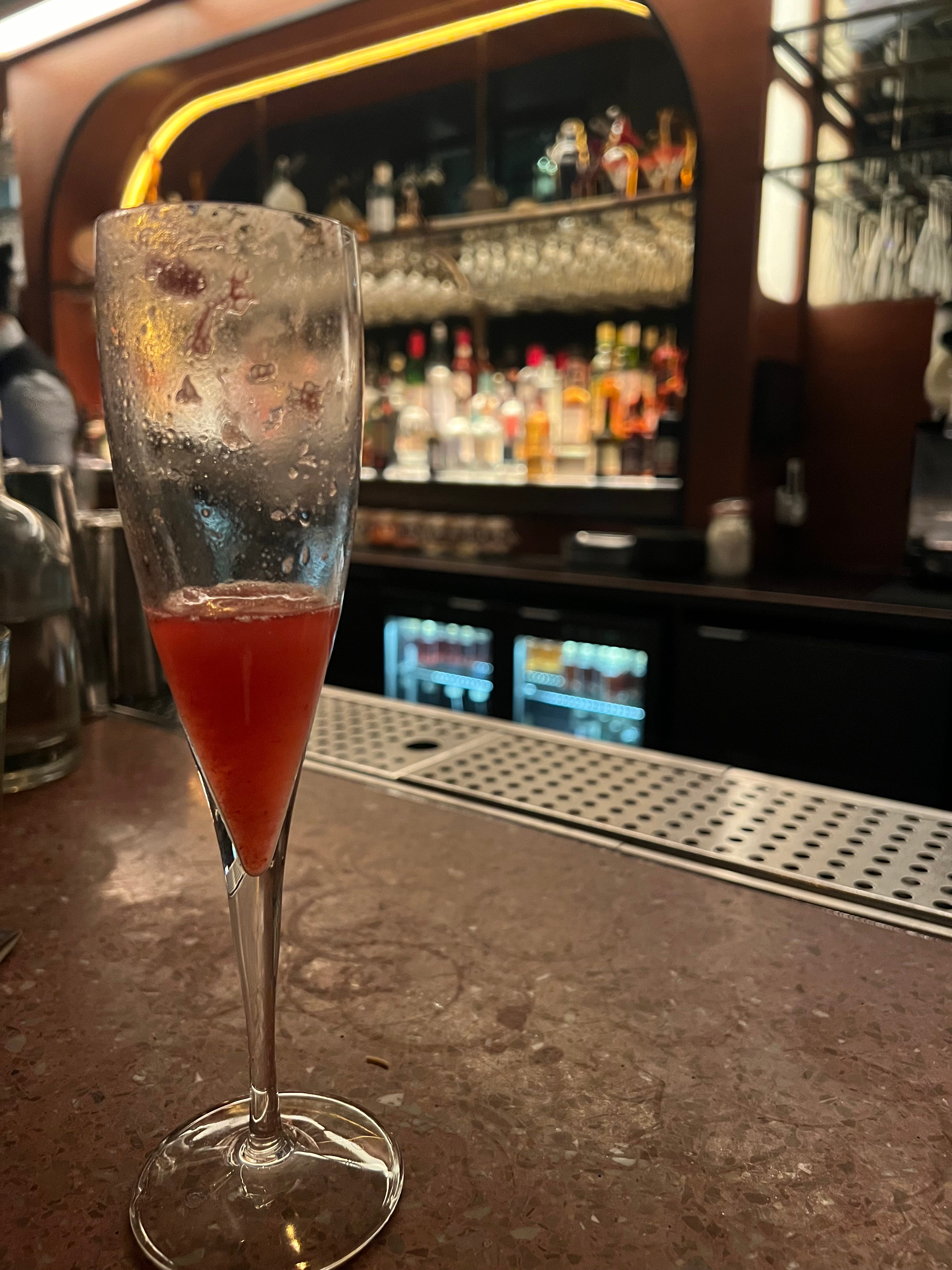
Back in London that evening, dinner was Dishoom, a restaurant I said yes to despite an unofficial rule of never eating Indian food on holiday, and I regret absolutely nothing. A guava Bolly Bellini to start, okra fried until it forgot it was ever a vegetable, Mutton Pepper Fry with parathas so good I abandoned photographing it halfway through the first bite, and a chocolate pudding with Kashmiri chilli ice cream to close things out properly. Dishoom’s own menu runs on the exact trick this newsletter does, dressing up real history as a good night out, right down to a cocktail flight named for a commander, his wife and her lover, based on an actual 1959 Bombay scandal that once sold newspapers at eight times the usual price.
London did not need a grand gesture to make its case, just a museum that has never once charged for entry, a park built for a king who never actually got his palace, and a dinner menu with better footnotes than most guidebooks. First trip, first of many, exactly as promised, this city would see me again several times. Next up, Westminster Abbey, St James’s Park, St Paul’s Cathedral, and more. London was just getting started, and so, quite clearly, was I.
Your resident castle and cardamom enthusiast,
Arpita